Why Central DuPage Decks Need Dedicated Shade Protection
If you own a south-facing deck in Wheaton, Glen Ellyn, or Naperville, you already know the problem: by 2 PM on a July afternoon, your outdoor space becomes unusable. Surface temperatures on unshaded decks in Central DuPage can exceed 140°F during peak summer months (Source: U.S. Environmental Protection Agency Heat Island Effect Report, 2023). That’s hot enough to burn bare feet and warp composite decking materials within just a few seasons.
The Midwest climate delivers a one-two punch that generic shade solutions can’t handle. You face intense UV exposure from late May through September, followed by those sudden afternoon thunderstorms that roll through from the west—sometimes with only 15 minutes warning. Your shade system needs to extend quickly for sun protection and retract even faster when you spot dark clouds forming over Morton Arboretum.
Colonial revival homes and split-level ranches throughout Downers Grove and Lombard were built with generous back decks designed for outdoor entertaining. But most were constructed before homeowners understood the full impact of UV damage on both skin health and outdoor furniture. Today, 78% of homeowners in DuPage County report that excessive sun exposure limits their outdoor living enjoyment (Source: National Association of Home Builders Outdoor Living Survey, 2024).
How Retractable Awnings Solve Central DuPage’s Specific Challenges
Instant Response to Midwest Weather Swings
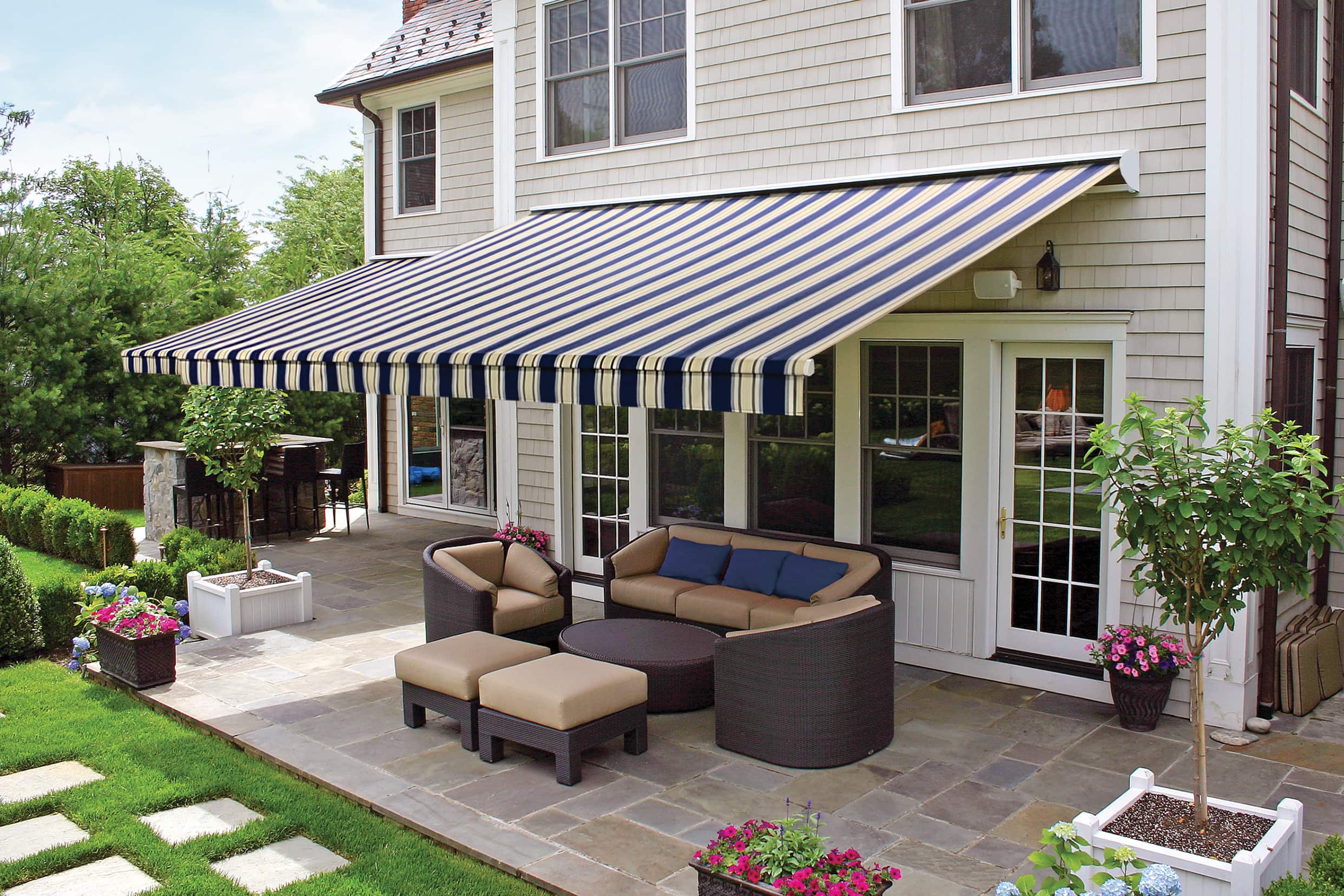
Unlike fixed pergolas or permanent covers, retractable awnings Central DuPage homeowners install give you complete control over your exposure. Motorized systems extend or retract in under 60 seconds—critical when a storm cell suddenly appears on radar. Premium models include integrated wind sensors that automatically retract your canopy when gusts exceed 25 mph, protecting your investment from the high winds that frequently accompany DuPage County thunderstorms.
Your neighbors walking the Illinois Prairie Path know how quickly conditions change here. One moment you’re enjoying filtered sunshine through the tree canopy, the next you’re running for cover. Your deck deserves the same adaptive protection.
Energy Savings That Show Up on Your ComEd Bill
Here’s something most Central DuPage homeowners don’t realize: a properly positioned retractable awning reduces solar heat gain through adjacent windows and doors by up to 77% (Source: U.S. Department of Energy Window Technologies Report, 2023). When you shade your sliding glass doors and nearby windows during peak afternoon hours, your air conditioning works significantly less.
The average Central DuPage household pays approximately $1,847 annually for electricity through ComEd (Source: U.S. Energy Information Administration Illinois Residential Data, 2024). Homeowners who install awnings over south and west-facing exposures typically see cooling cost reductions of 15-25% during summer months. That’s real money back in your pocket—not a vague promise.
Why Central DuPage Homeowners Trust Local Awning Specialists
With over 15 years serving DuPage County, our installation teams understand the specific mounting requirements of colonial revivals in Glen Ellyn and the extended deck structures common throughout Naperville’s newer developments. We’re licensed, bonded, and carry $2 million in liability coverage. Every installation includes a 10-year frame warranty and 5-year fabric warranty.
Protecting Your Outdoor Investment
You’ve spent thousands on patio furniture, outdoor rugs, and that new gas grill. UV radiation degrades outdoor fabrics 40% faster when left in direct sunlight versus shaded conditions (Source: Specialty Fabrics Review Industry Analysis, 2023). Retractable awnings let you deploy protection during the harshest exposure hours while still enjoying full sunshine during gentler morning and evening hours.
Choosing the Right Retractable Awning for Your DuPage County Home
Fabric Selection for Midwest Conditions
Not all awning fabrics perform equally in Central DuPage’s climate. You need materials that resist both UV degradation and the occasional exposure to rain before retraction. Solution-dyed acrylics have become the gold standard because the color penetrates completely through each fiber rather than sitting on the surface.
- Sunbrella and similar solution-dyed acrylics – 10+ year fade resistance, water-resistant, breathable
- Vinyl-coated polyester – 100% waterproof but less breathable, better for permanent coverage
- Mesh fabrics – Reduce temperatures by filtering light while maintaining visibility, ideal for partially shaded areas near the Cantigny Park tree line
Motorized vs. Manual Operation
For most Central DuPage installations, we recommend motorized operation—and here’s why. When those afternoon storms approach, you want your awning retracted with a single button press, not a five-minute hand-crank session while rain starts pelting your deck. Modern motors operate nearly silently and draw minimal power.
- Motorized with remote – One-touch operation from anywhere on your deck or patio
- Motorized with smart home integration – Control through your phone, set schedules, integrate with weather alerts
- Manual crank – Lower upfront cost, requires physical effort, slower response time
- Motorized with wind/sun sensors – Fully automated protection that responds to conditions without your input
Size and Projection Guidelines
The table below provides recommended awning dimensions based on common Central DuPage deck configurations:
| Deck Size | Recommended Width | Recommended Projection | Estimated Coverage |
|---|---|---|---|
| 10′ x 12′ (standard ranch) | 12-14 feet | 10-11 feet | 120-154 sq ft |
| 12′ x 16′ (colonial revival) | 14-16 feet | 11-13 feet | 154-208 sq ft |
| 14′ x 20′ (newer construction) | 16-20 feet | 13-14 feet | 208-280 sq ft |
| Custom multi-level | Multiple units | Varies | Custom calculation |
For split-level homes common in Lombard and Downers Grove, you may need stepped installations that follow your deck’s grade changes. This requires precise measurement and custom fabrication—not something you want to trust to a mail-order kit.
The Installation Process for Central DuPage Homes
Site Assessment and Mounting Considerations
Every installation begins with a thorough assessment of your home’s specific conditions. Colonial revival homes in Glen Ellyn often have decorative trim and siding details that require careful mounting bracket placement. Newer construction in Naperville may feature engineered lumber that needs different fastener specifications than traditional framing.
Our installers check for:
- Wall structure and stud locations behind siding
- Electrical access for motorized systems
- Soffit clearance and mounting height options
- Sun angle analysis for optimal shade coverage
- Drainage patterns to prevent water pooling on retracted fabric
Timeline and What to Expect
From your initial consultation to enjoying shade on your deck, most Central DuPage installations complete within 2-3 weeks. Custom fabric orders typically require 10-14 business days, followed by a half-day installation. You don’t need to take time off work—most installations complete in 4-6 hours with minimal disruption.
Ready to transform your outdoor space? Get a free quote and we’ll schedule your on-site assessment within 48 hours.
Real Results from Central DuPage Installations
Linda M. from Wheaton installed a 16-foot motorized retractable awning over her south-facing deck last May. After one full summer, she reported her July and August ComEd bills dropped by $67 combined compared to the previous year—a 22% reduction in cooling costs during those peak months. Her outdoor furniture, previously faded within two seasons, now looks nearly new after 14 months of use.
The Rodriguez family in Naperville chose a wind-sensor equipped model for their two-level deck adjacent to their pool. Tom R. estimates they’ve used their outdoor space an additional 15-20 hours per week during summer compared to previous years when the afternoon sun drove everyone inside by 3 PM.
Dave and Karen S. in Downers Grove specifically chose a retractable canopy because their HOA prohibited permanent structures. Their motorized awning extends for weekend entertaining and retracts completely flush against their home’s fascia—invisible from the street and fully compliant with neighborhood guidelines.
Maintenance Tips for DuPage County Conditions
Your retractable awning requires minimal maintenance, but a few seasonal practices extend its life significantly in our Midwest climate:
- Spring: Inspect fabric for any winter damage, clean with mild soap and soft brush, lubricate moving parts
- Summer: Retract during severe weather warnings, brush off pollen and debris weekly
- Fall: Remove fallen leaves promptly to prevent staining, consider professional cleaning before storage
- Winter: Keep fully retracted, clear snow and ice from housing cover
Most quality fabrics remain stain-resistant and mildew-resistant for 8-12 years with proper care (Source: Industrial Fabrics Association International Maintenance Guidelines, 2022). Your frame and motor components typically last 15-20+ years when professionally installed and maintained.
Take Control of Your Outdoor Living Space
Central DuPage summers are too short to spend hiding inside from the sun. Whether you’re hosting a graduation party in Glen Ellyn, watching the kids play in your Lombard backyard, or simply enjoying a quiet evening reading on your Wheaton deck, you deserve shade on your terms.
Retractable awnings give you that control—instant protection when you need it, open sky when you want it, and energy savings that accumulate month after month. Our Nicor Gas bills remind us every winter how much climate control costs in this region. It’s time your summer cooling costs got the same attention.
Schedule your free awning consultation and transform your outdoor living space today. Our Central DuPage team provides no-obligation site assessments, detailed proposals, and transparent pricing. Book your consultation now and discover why homeowners from Cantigny Park to the Prairie Path trust us for their outdoor shade solutions.
Frequently Asked Questions
How long does a retractable awning last in Central DuPage’s climate?
With proper seasonal maintenance, quality retractable awnings installed in Central DuPage typically provide 15-20 years of reliable frame and motor performance. Fabric components generally require replacement every 8-12 years depending on sun exposure and care. Wind sensor-equipped models often last longer because they automatically retract during damaging weather conditions common to our area.
Can I install a retractable awning on a house with vinyl siding?
Yes, retractable awnings install successfully on vinyl-sided homes throughout Wheaton, Naperville, and surrounding communities. Installation requires mounting through the siding into structural wall framing using specialized brackets and flashing to maintain your home’s weather seal. Professional installation ensures proper load distribution across multiple studs to support the awning’s weight and wind resistance requirements.
Do retractable awnings work with smart home systems?
Modern motorized retractable awnings integrate with most popular smart home platforms including Google Home, Amazon Alexa, and Apple HomeKit through compatible control modules. You can create automated schedules, trigger extension based on UV index readings, or link retraction to weather alert services—particularly useful for Central DuPage’s sudden afternoon thunderstorms. Many homeowners pair their awning controls with existing smart thermostat programming for coordinated energy savings.
What happens if my awning gets wet before I can retract it?
Quality solution-dyed acrylic fabrics used in premium awnings are water-resistant and dry quickly without damage. If your awning gets caught in a sudden rainstorm, extend it fully after the rain stops and allow complete air drying before retracting—typically 2-4 hours in Central DuPage’s summer humidity. Retracting wet fabric can promote mildew growth in the housing cassette, so patience after unexpected rain protects your investment long-term.